Approaches
Quantitative behaviour
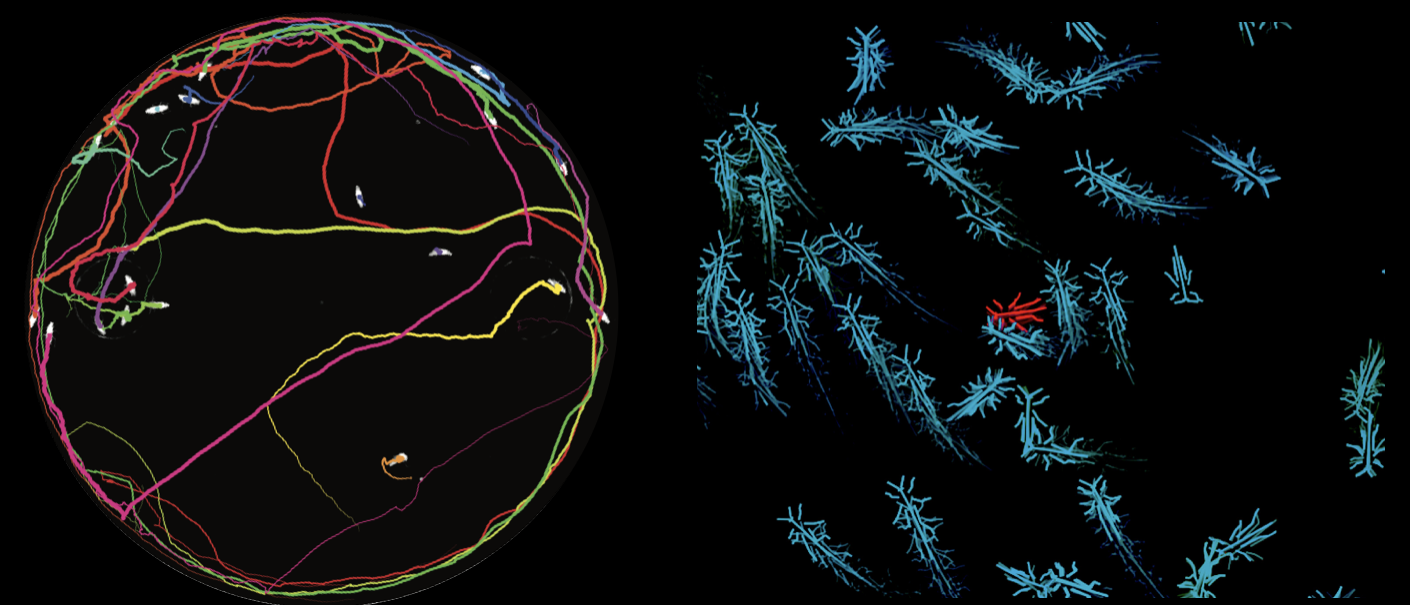
We use high-resolution tracking and quantitative analysis to study movement, interactions, and decision-making in individuals and groups. These approaches allow us to relate fine-scale behaviour to social dynamics, phenotypic change, and collective patterns.
Virtual reality and controlled sensory environments
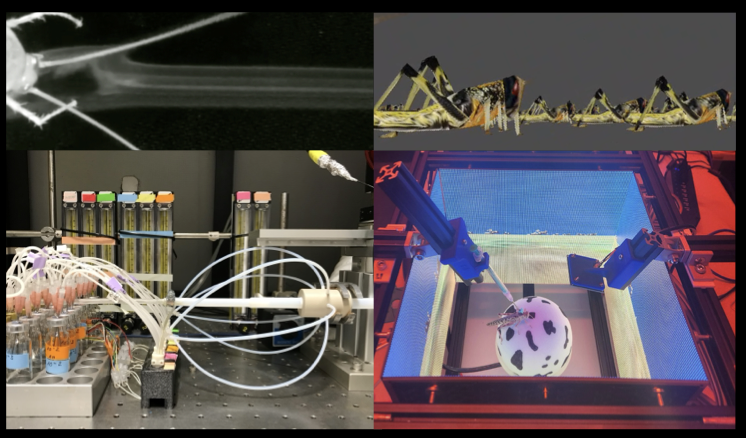
We use closed-loop virtual reality and controlled sensory stimulation paradigms to manipulate visual and olfactory cues with high precision. This allows us to study how animals respond to defined social and environmental information.
Neural recording and imaging
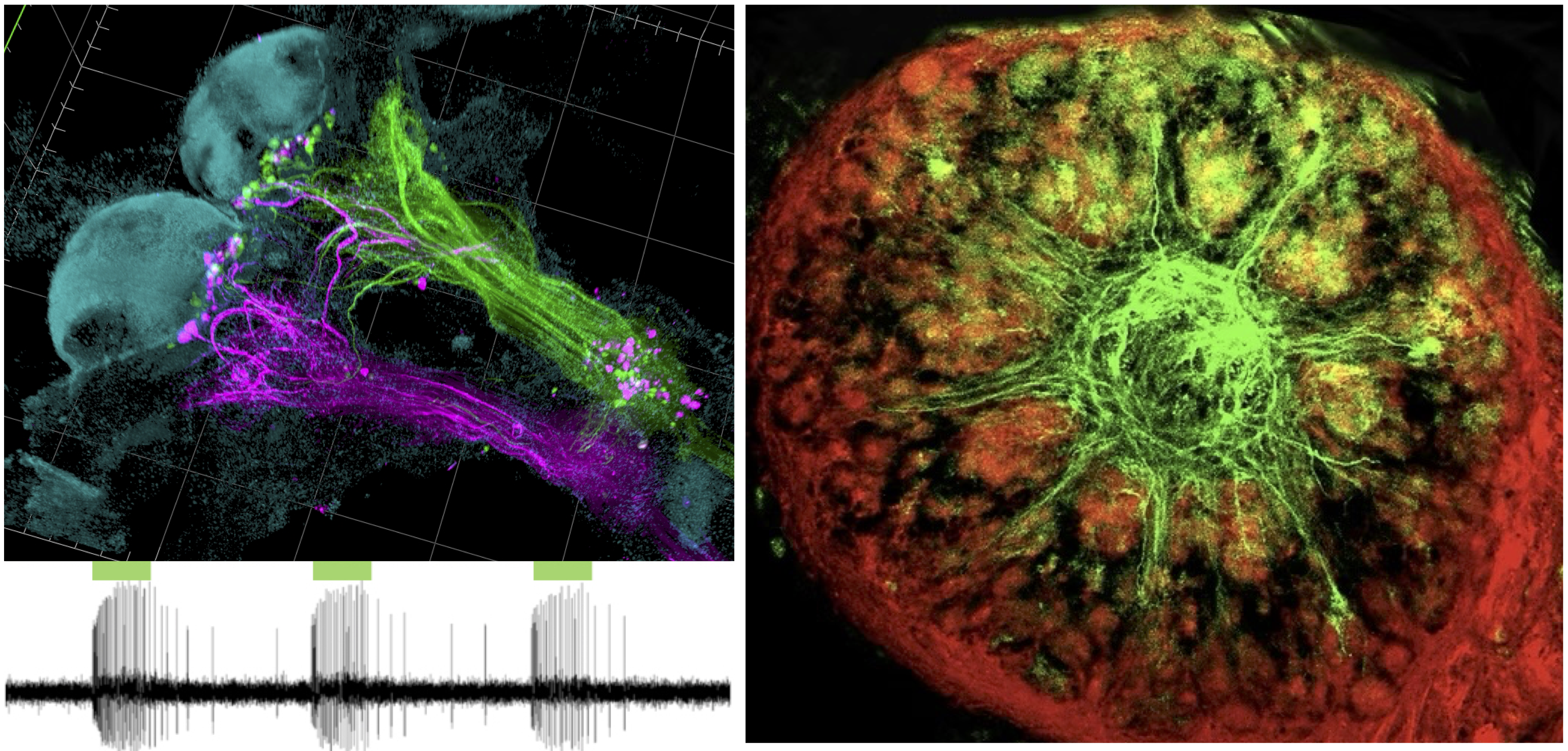
We combine calcium imaging, electrophysiology, and activity mapping to link circuit dynamics to behavioural state and decision-making.
Naturalistic large-scale experiments and field studies
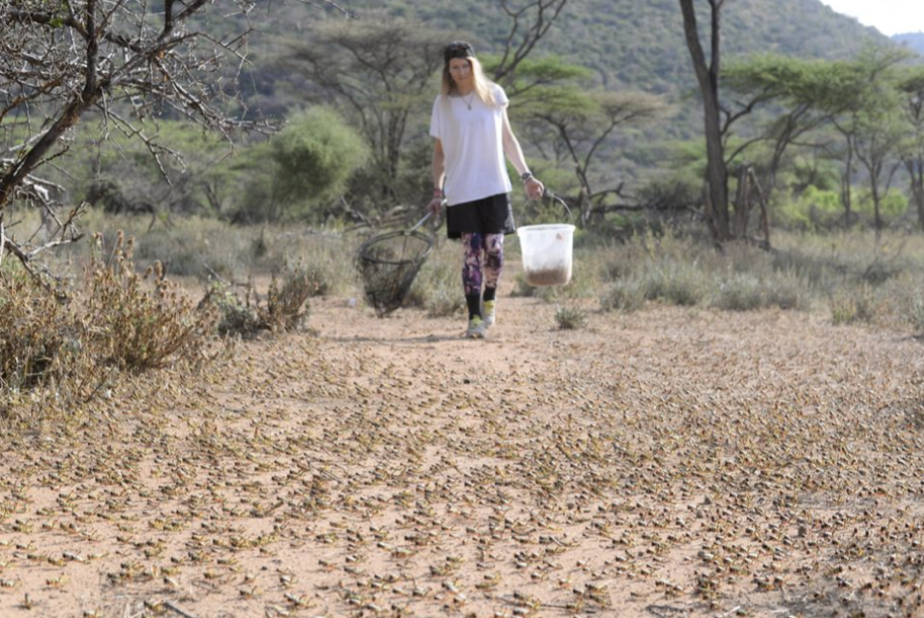
We use semi-naturalistic and large-scale experimental settings to study behaviour under more ecologically realistic conditions in our imaging hangar. Together with field-based work with collaborators, these approaches connect controlled laboratory assays to the spatial and social complexity of behaviour in the wild.