Vogt lab
Behavioral Neuroscience in Drosophila Larvae
How do social context and internal state modulate behavior and the underlying neural processing in the brain?
The natural world is complex and constantly changing, so over time, we are experiencing different combinations of external sensory cues (visual/olfactory/mechanosensory…) in different contexts (social/solitary). Additionally, our internal state can vary, for example, when we are hungry, sleepy, or stressed. To make appropriate behavioral decisions that are beneficial for us and satisfy our needs, our brain needs to integrate and process all available external and internal information.
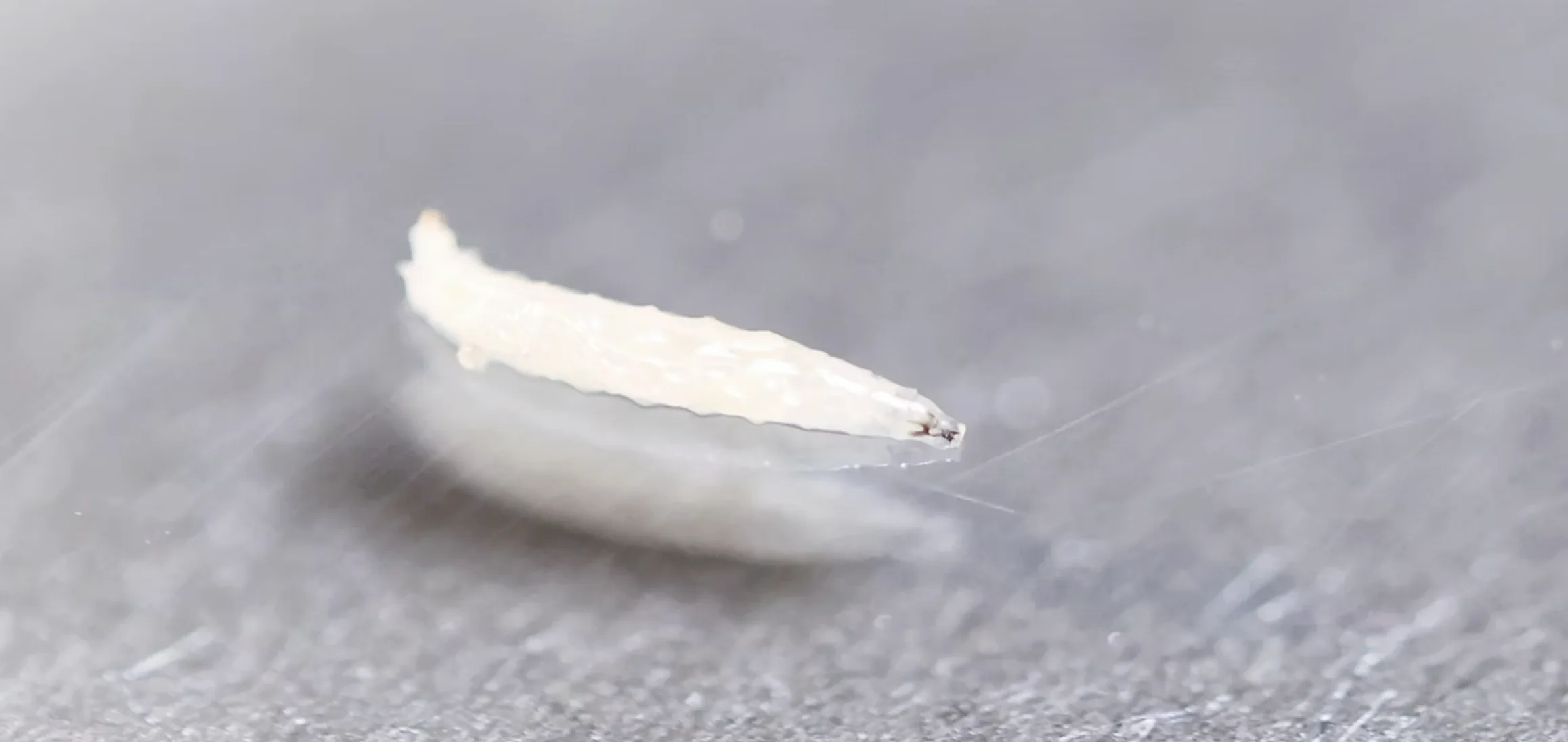
Deciphering the neural mechanisms that underlie this behavioral flexibility towards different external cues and in different internal states is a major goal of my research. To this end, I use the Drosophila larva as a model organism. Even though their brain consists of only about 10.000 neurons, fruit fly larvae also display flexibility in their behavioral responses; for example, food-deprived larvae are attracted to an odorant that they would normally avoid when fed Vogt et al., 2021.

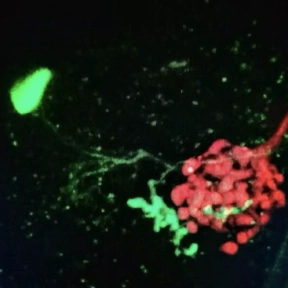
In Drosophila, we can dissect and understand neural circuits in detail by manipulating single cell types or cell components using genetic tools, such as optogenetics, RNAi knockdown, or CRISPR knockout. Furthermore, in the fly larvae, it is possible to perform functional imaging in the intact, transparent animal to record the activity of single cell types. The whole brain of the fly larvae has been reconstructed from EM data so that the functional information acquired by behavior and imaging experiments can be integrated into whole-brain connectivity.
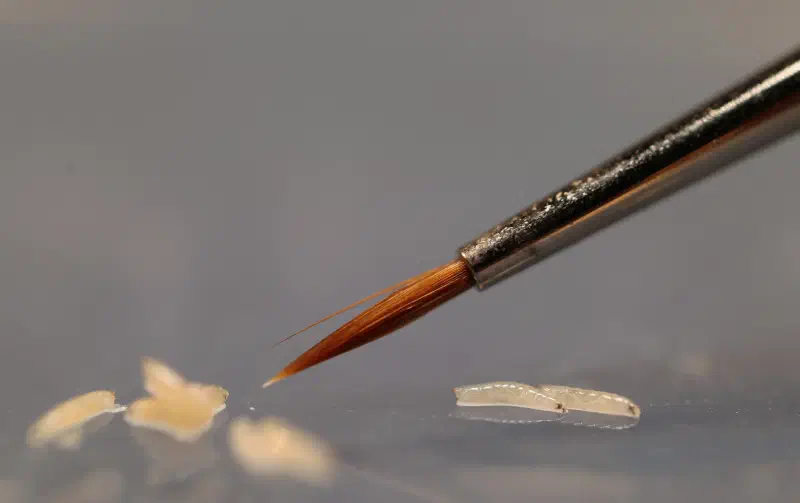
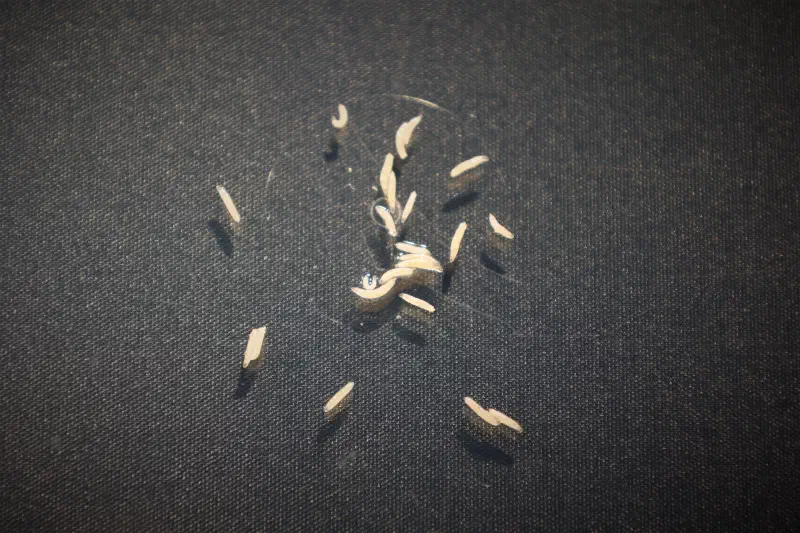
Currently, we are investigating how food deprivation affects other behaviors than olfactory preference and what are the neural mechanisms underlying those changes in behavior. We are also interested in how larvae interact in a group and how their behavior changes depending on the context, internal state, group constellation, and group size.

Fly larvae can perform cannibalistic behavior and can survive by feeding on conspecifics only. In our assay, we find that larvae rarely approach dead conspecifics. Food deprivation, however, enhances this preference significantly. We are now investigating why fed larvae avoid dead conspecifics and how hunger modulates information processing and behavioral output.