Course sketch#
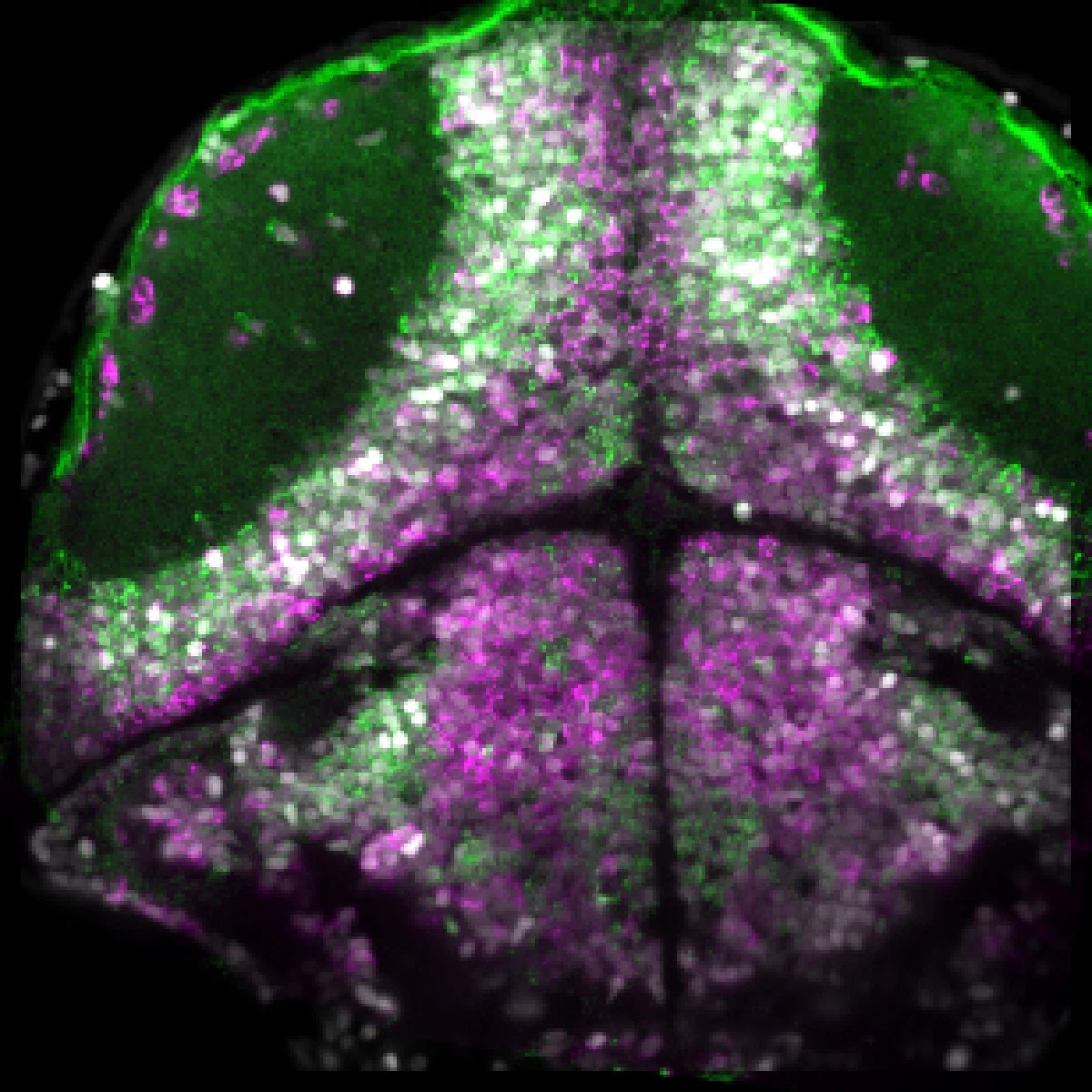
This research-oriented master’s course introduces students to the neural basis of animal behavior across a wide range of model systems, including zebrafish, bees, ants, locusts, hawk moth, and flies. Students join an active research project and gain hands-on experience with modern experimental and analytical approaches such as behavioral tracking, functional imaging, electrophysiology, molecular methods, and computational modeling. The course combines project work, lectures, paper discussions, and presentations, with a strong focus on how neural circuits process sensory information, generate behavior, and adapt to internal state and social context. A key aspect of all projects is the formulation of precise working hypotheses that enable linking neural computations to behavior across scales.
This course is divided into two parts, a lecture-only part and practical part. Usually students attend both, but it is also possible to only attend the lecture-series.
Target group#
- MA students in
Biological ScienceandLife Science - MA students in
Psychologywith a biology focus
For further information please continue at our central course repository, BIO-13740.