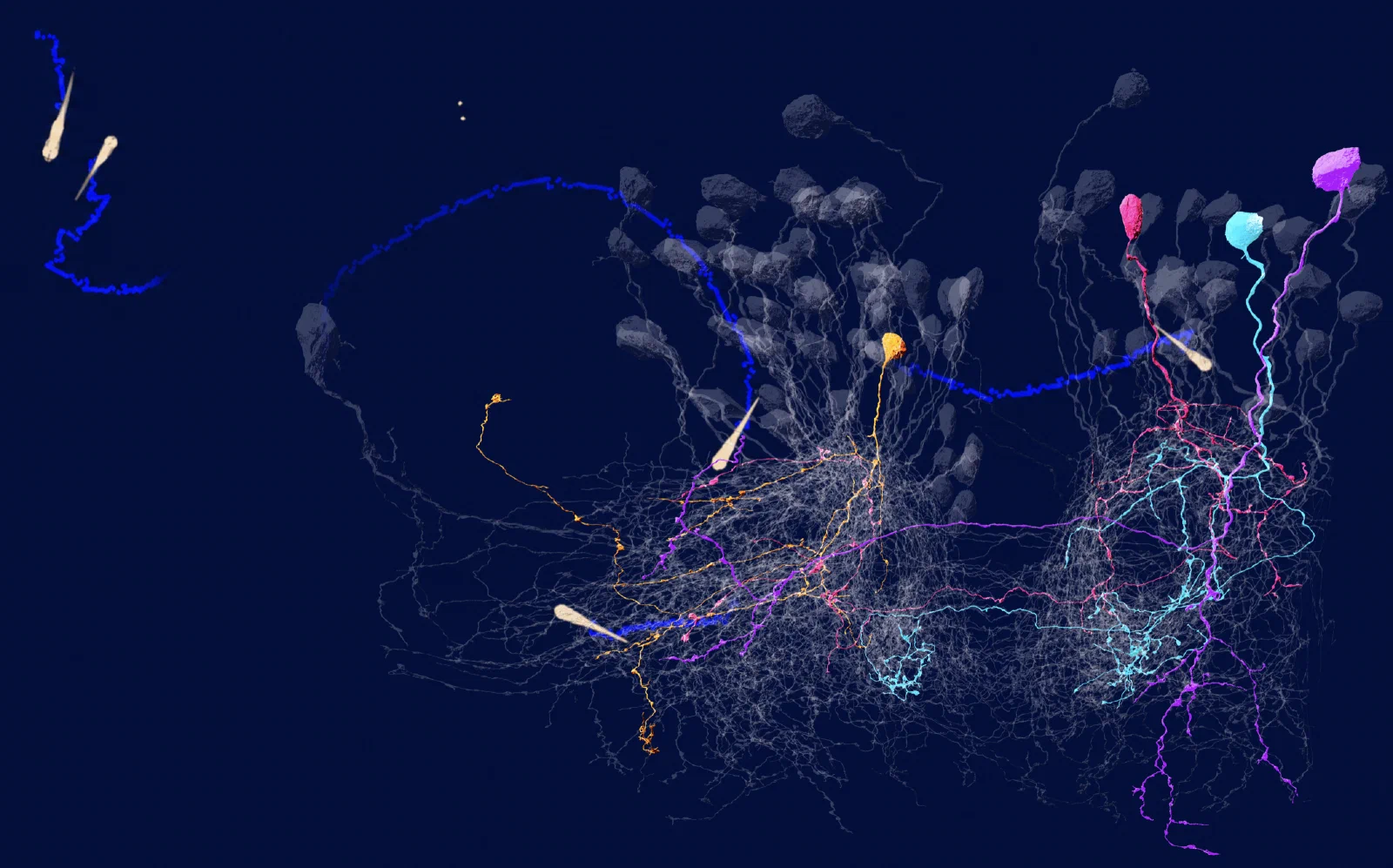

Bio#
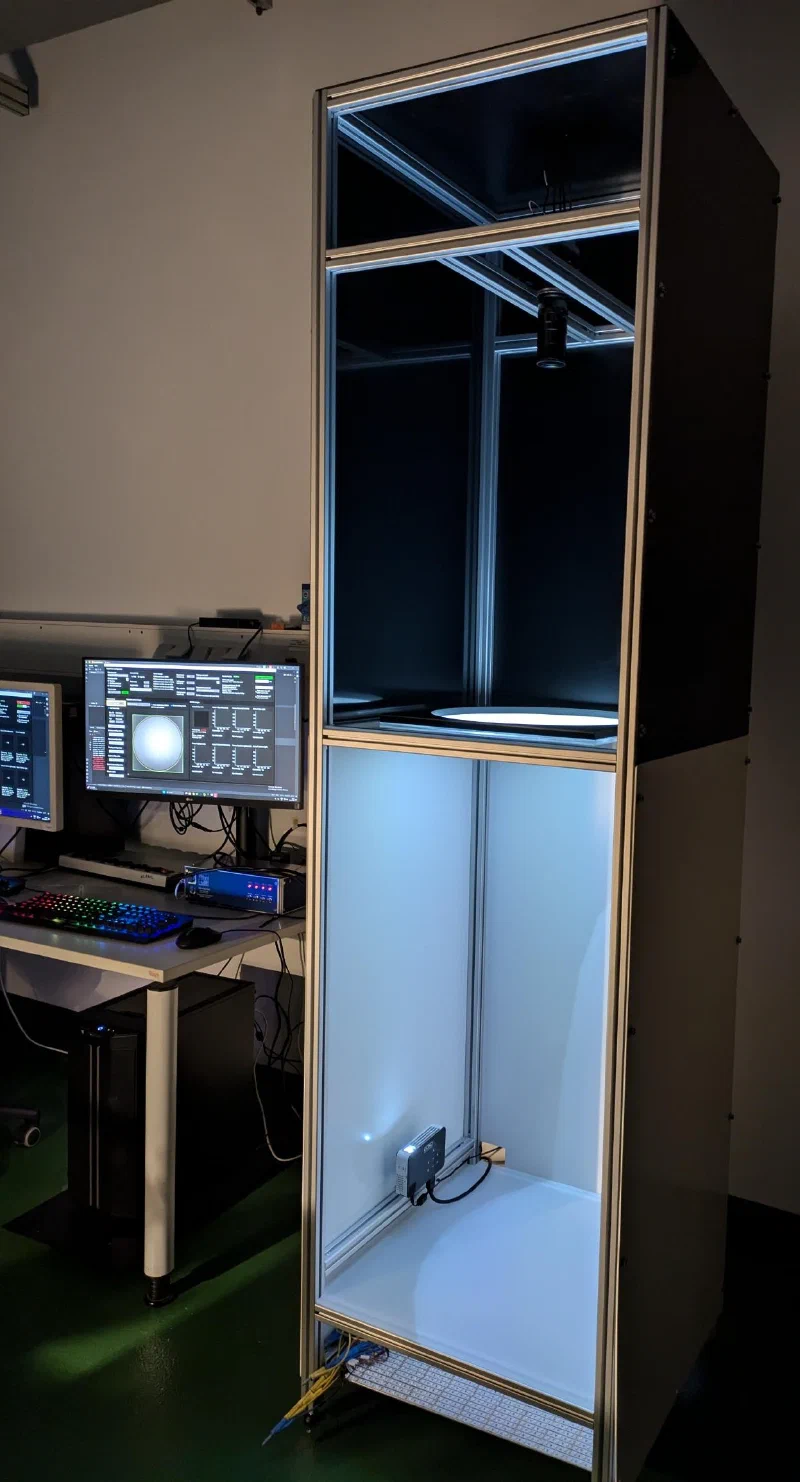
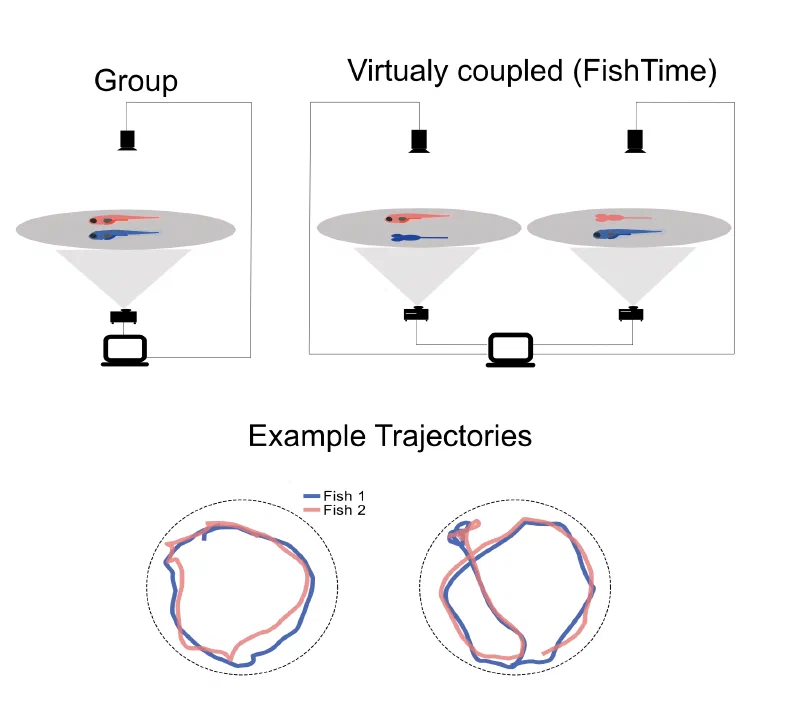
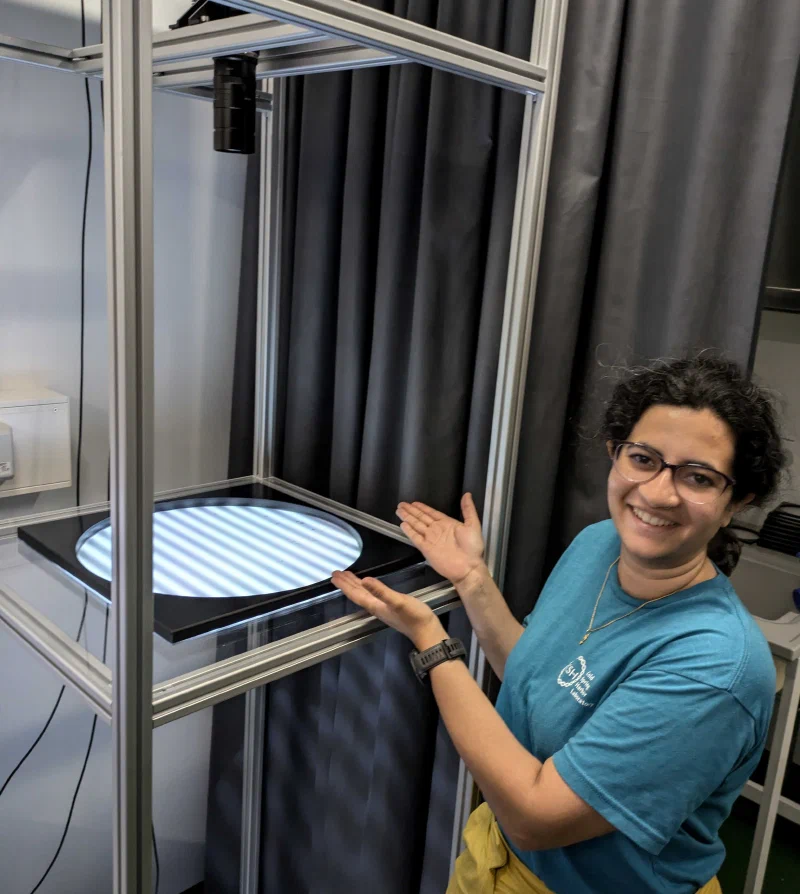
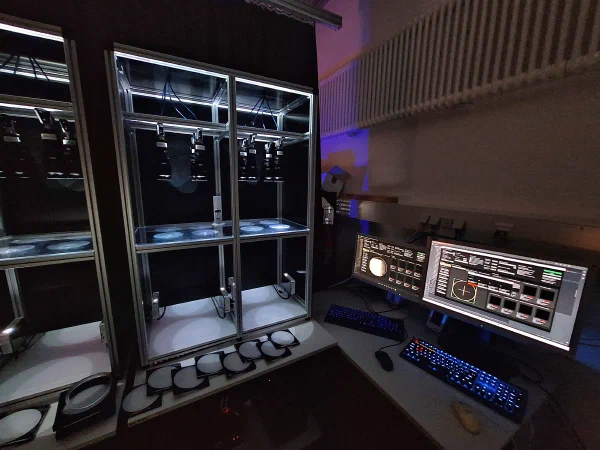
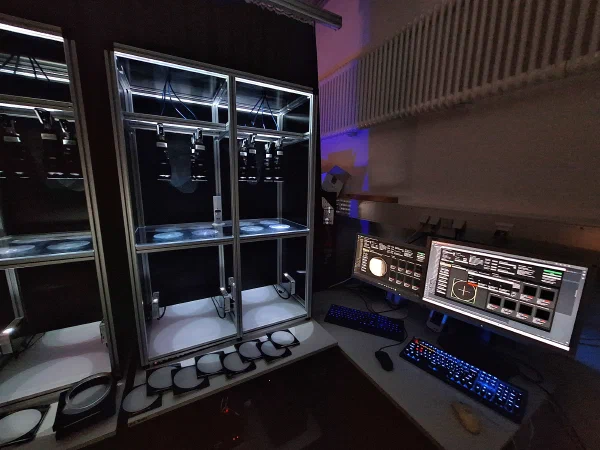
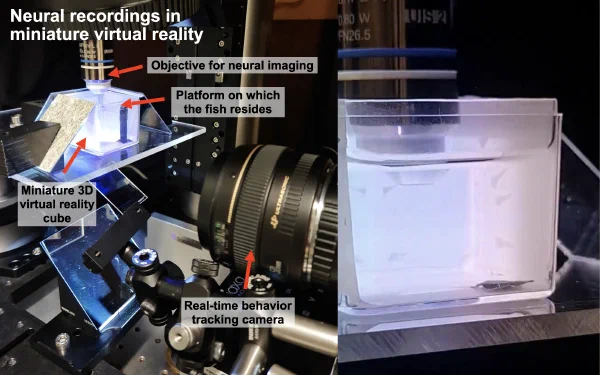
Many animals, including fish, prefer to live in groups. Being part of a collective offers many benefits — from better protection against predators to easier access to food and shared information. I’m interested in how animals use and share this information when making decisions together. To study this, I look at the optomotor response in juvenile zebrafish and introduce controlled noise to test whether groups perform better than individuals. To better control their social interactions, I use virtual reality. This setup lets me create situations of conflict — for example, showing motion in opposite directions — and observe when fish choose to follow visual motion versus another fish’s movement.
More broadly, I aim to understand how zebrafish combine sensory input from their environment with social cues from others to drive collective decisions.
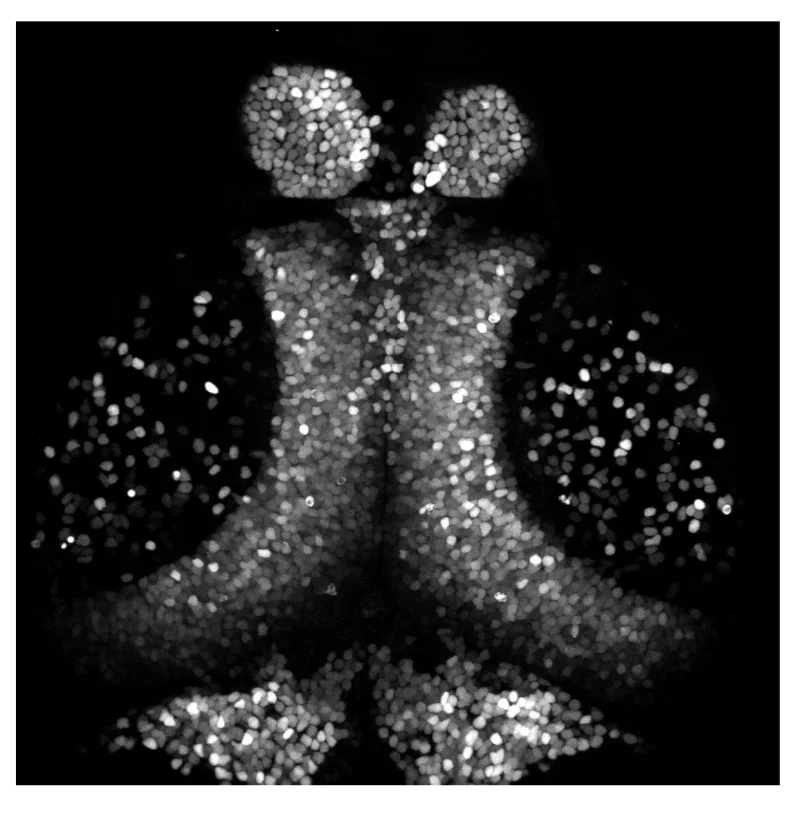
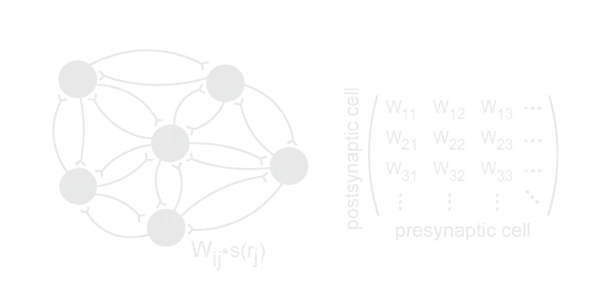
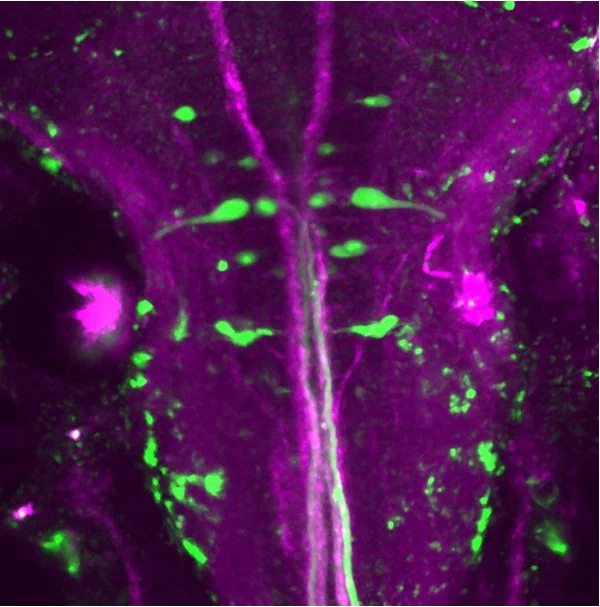
Another focus of my work is understanding how slow dynamics arise in the brain. I study a small region in the fish brain called the Torus Longitudinalis, which shows remarkably slow activity patterns. I want to find out what roles these “slow” cells play, how they’re connected, and what gives rise to their unusually slow dynamics.
In addition to science I am also passionate about food, books, board games. When the weather allows, I like to bike and run.
Projects#
Methods#
CV#
Positions
Education
Fellowships
Awards
Publications#
2025
- Jadhav M. P., Verma S., Thirumalai V. (2025) Ionic conductances driving tonic firing in Purkinje neurons of larval zebrafish. The Journal of Physiology. https://doi.org/10.1113/JP286063
2021
- Sitaraman S., Yadav G., Agarwal V., Jabeen S., Verma S., Jadhav M., Thirumalai V. (2021) Gjd2b-mediated gap junctions promote glutamatergic synapse formation and dendritic elaboration in Purkinje neurons. eLife. https://doi.org/10.7554/eLife.68124
2020
- Balasubramanian N., Sagarkar S., Jadhav M. P., Shahi N., Sirmaur R., Sakharkar A. J. (2020) Role for histone deacetylation in traumatic brain injury-induced deficits in neuropeptide Y in arcuate nucleus: Possible implications in feeding behaviour.. Neuroendocrinology. https://doi.org/10.1159/000513638