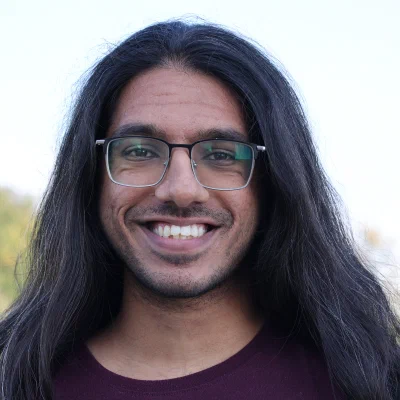
Bio#
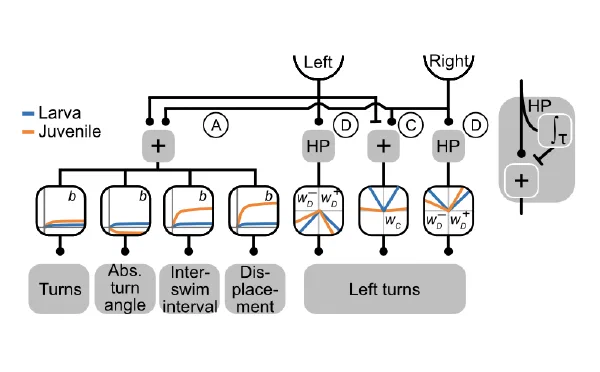
If you have spent time watching animals, you might have noticed that their behaviour is quite variable. Even in highly controlled lab environments an individual may respond differently to identical stimuli. My research explores how such variability in behavior is shaped by history—how past sensory and motor experiences accumulate and influence present choices across multiple timescales. Rather than treating actions as simple responses to immediate stimuli, I look at how internal states evolve, how memory is integrated, and how these processes shape both individual decisions and group-level patterns. By combining behavioral experiments with computational models, I aim to identify the minimal rules and feedback mechanisms that can explain these dynamics, and where standard decision-making frameworks fall short.
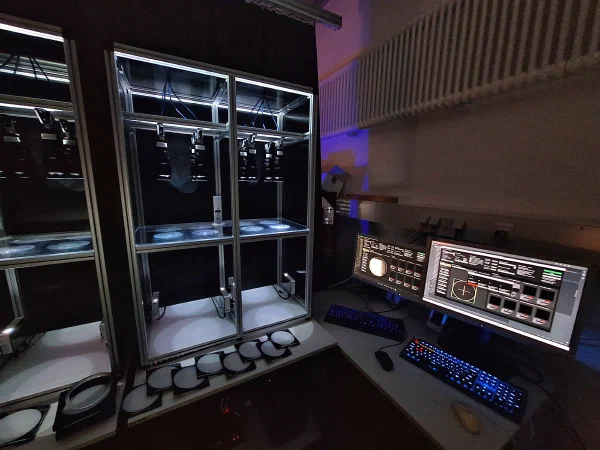
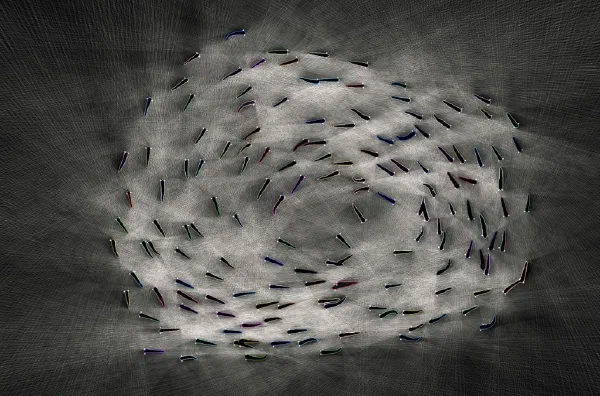
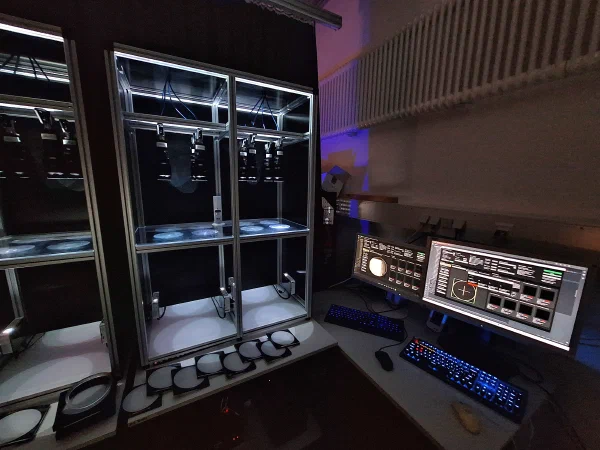
Another line of work that fascinates me is collective movement of biological agents like the murmurations of birds and schools of fish. How do local interactions between individuals scale to such beautifully synchronized patterns? To answer this, I am useing a virtual coupling framework to link real animals with simulated counterparts, allowing precise control over how agents influence each other. This makes it possible to systematically vary feedback, test causal hypotheses, and probe the mechanisms underlying collective behavior. The broader goal is to turn social interaction into something experimentally tractable—where not just animal position but also the structure of the interaction can be designed, manipulated, and understood.
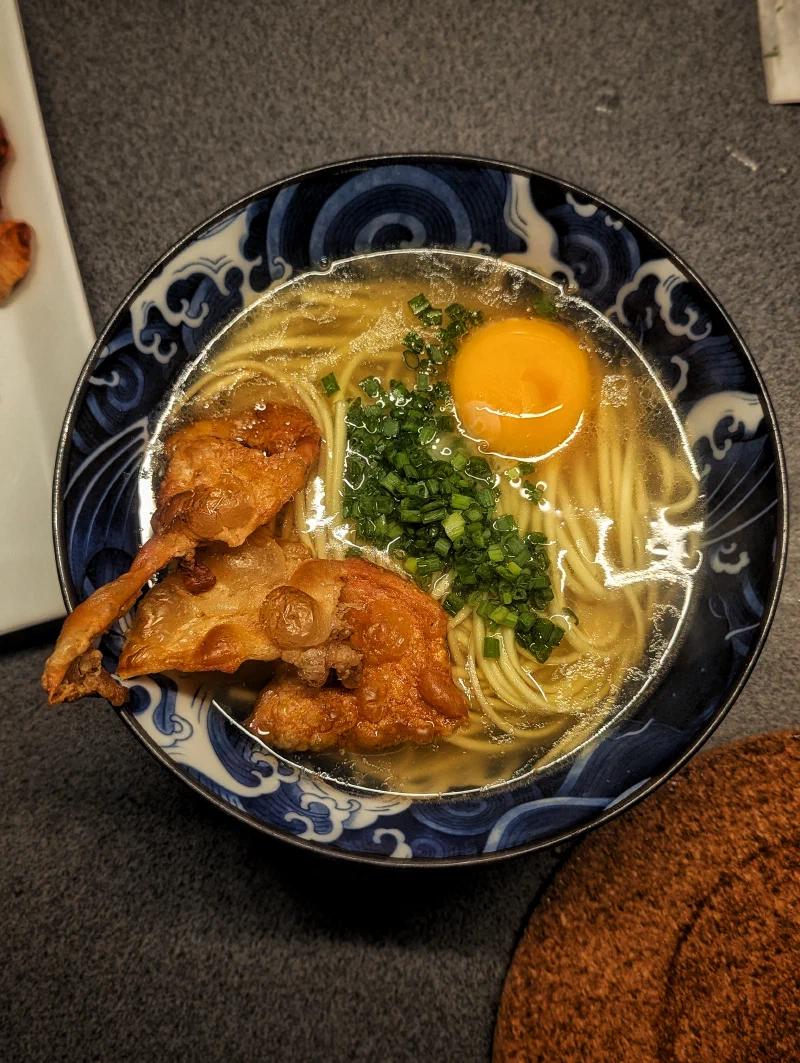
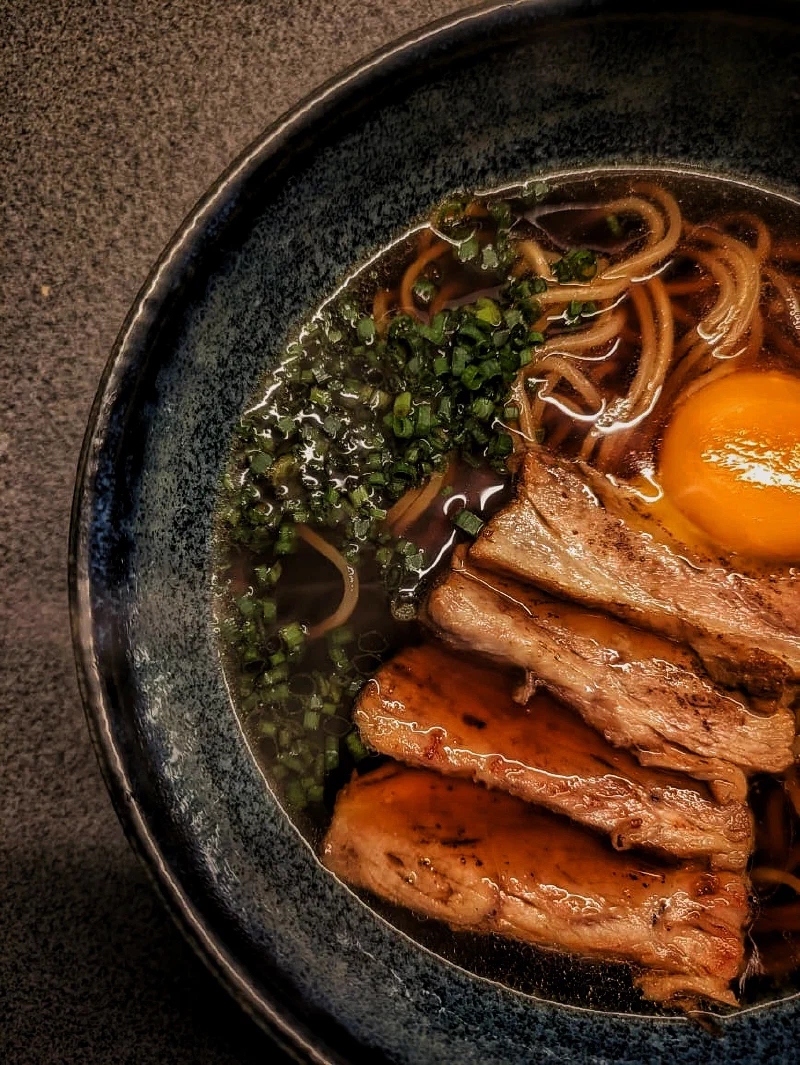
Outside the lab, I’m a ramen nerd, happily optimizing broths, overengineering noodles, and tinkering toppings—all from scratch and well past the point of diminishing returns. I also play a lot of chess, where I think deeply about decision-making and then routinely blunder anyway.
Projects#
Methods#
Thesis#
CV#
Positions
Education
Fellowships
Publications#
No publications available.